Optimal Timing for Roof Flashing Repairs
Proper timing for roof flashing repairs is essential to ensure effective sealing and longevity. Weather conditions, temperature, and seasonal factors influence the optimal period for maintenance. Performing repairs during dry, mild weather minimizes the risk of water intrusion and allows materials to set properly.
Spring offers moderate temperatures and less precipitation, making it suitable for roof flashing repairs before the heavy rain seasons.
Warm weather facilitates better adhesion of sealants and flashing materials, but high heat can sometimes accelerate wear.
Early fall provides cooler temperatures and dry conditions, ideal for repairs before winter weather sets in.
Cold temperatures and snow make winter a less favorable time for roof flashing repairs due to material limitations and safety concerns.
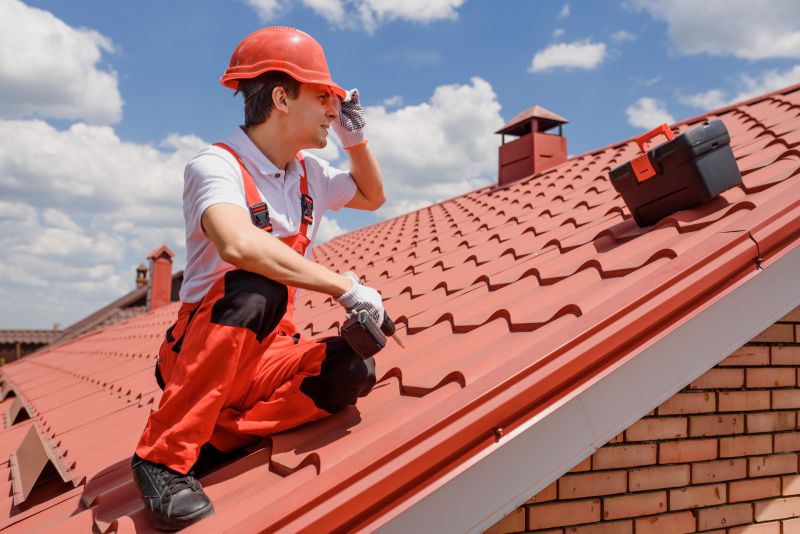
A technician inspecting roof flashing during spring conditions.
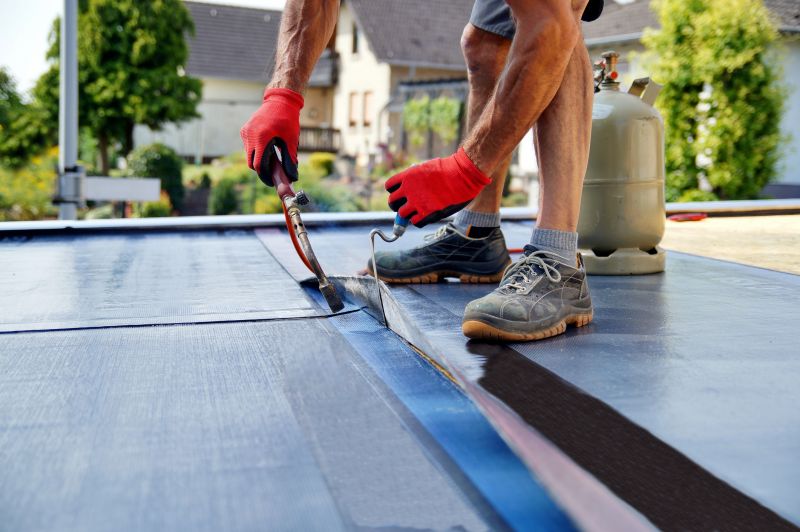
Applying sealant to roof flashing under warm weather.

Preparing roof flashing for winter in autumn.
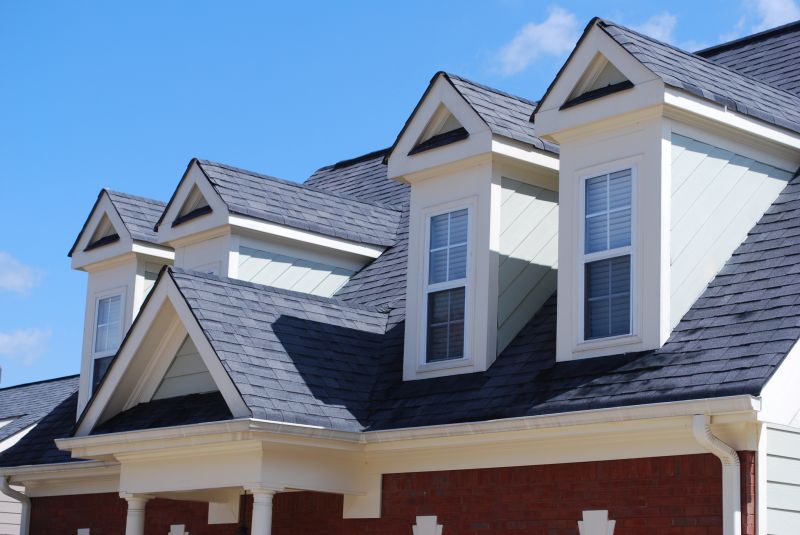
Ways to make Roof Flashing Repairs work in tight or awkward layouts.
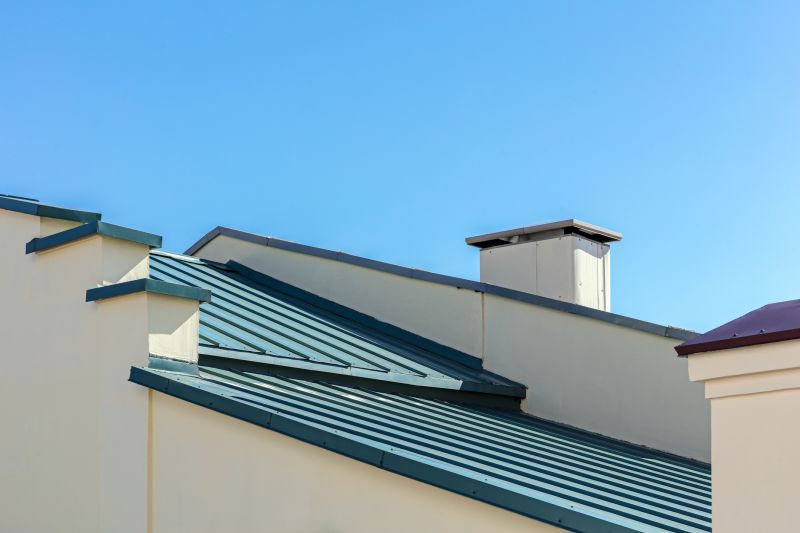
Popular materials for Roof Flashing Repairs and why they hold up over time.
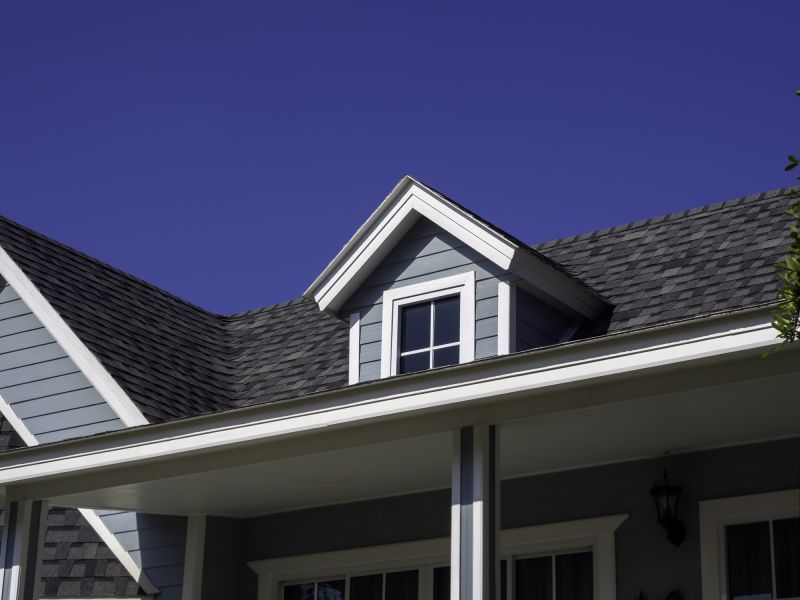
Simple add-ons that improve Roof Flashing Repairs without blowing the budget.
Roof flashing repairs are a critical component of maintaining a roof's integrity. Flashing directs water away from vulnerable areas such as chimneys, vents, and skylights. Properly installed and maintained flashing prevents leaks, mold growth, and structural damage. Statistics indicate that neglecting flashing maintenance can lead to costly repairs, with water intrusion accounting for a significant percentage of roof-related damages annually.
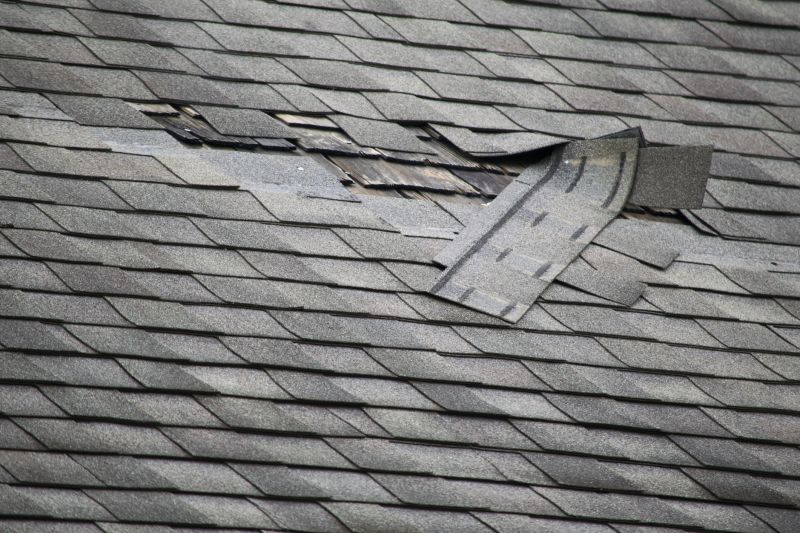
Corrosion and cracks visible on old roof flashing.
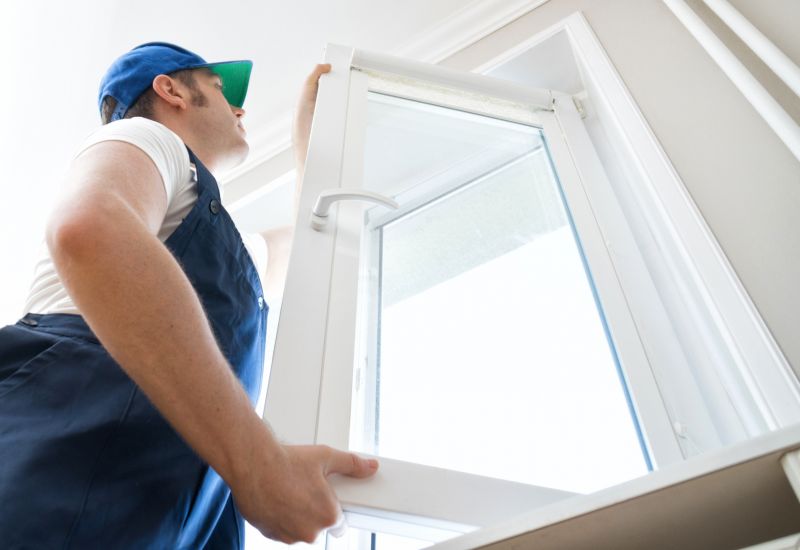
Technician installing new roof flashing on a residential roof.
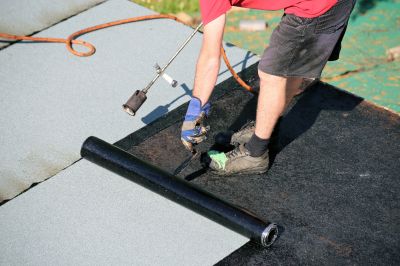
Applying sealant to ensure waterproofing.

Close-up of a roof inspector examining flashing details.
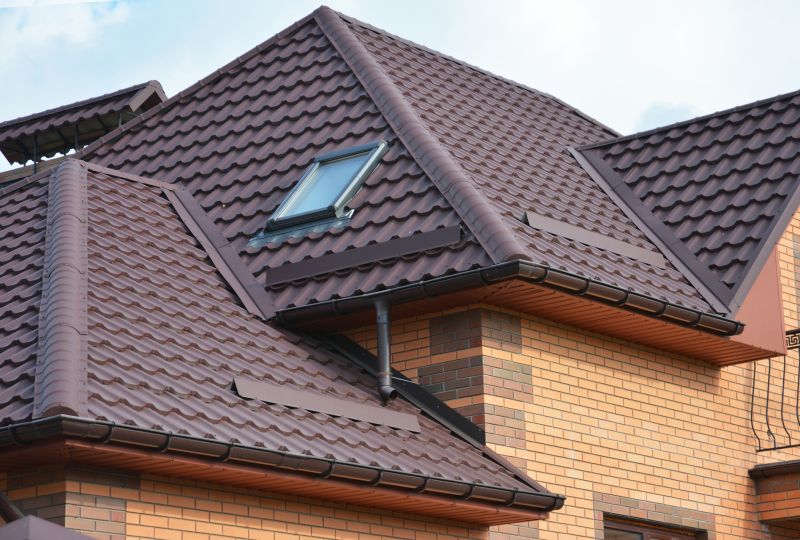
High-end options that actually feel worth it for Roof Flashing Repairs.
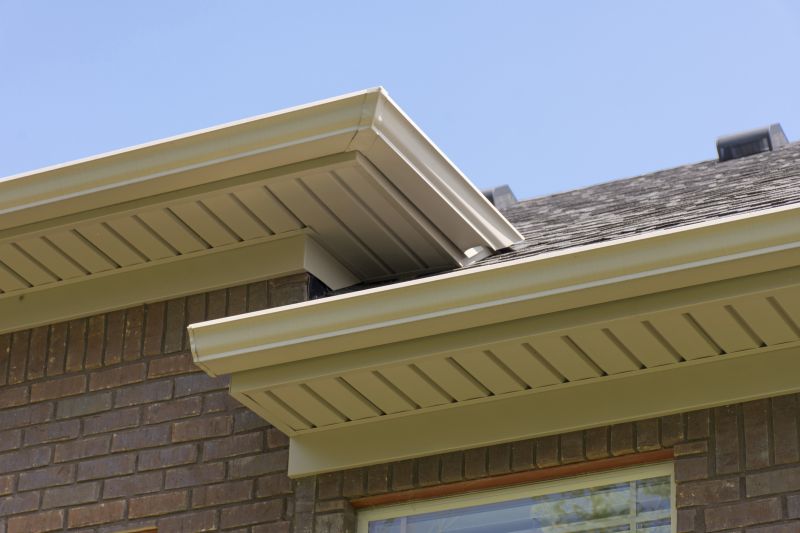
Finishes and colors that play nicely with Roof Flashing Repairs.
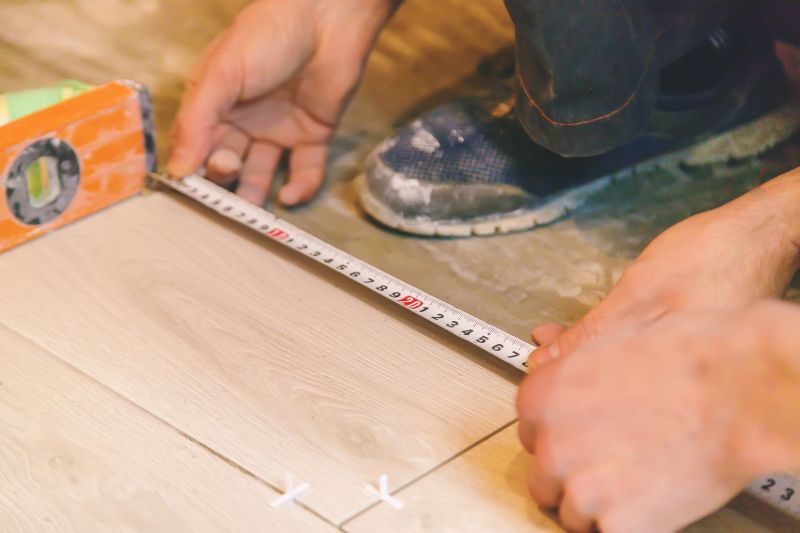
Little measurements that prevent headaches on Roof Flashing Repairs day.
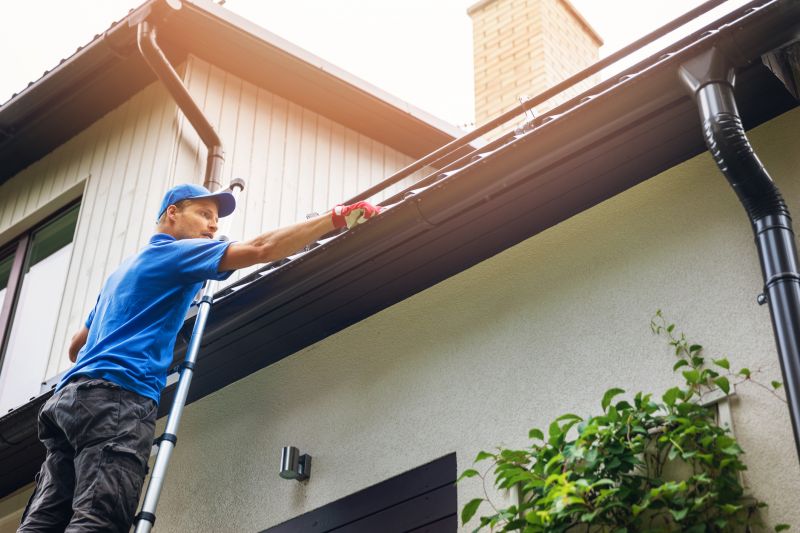
A 60-second routine that keeps Roof Flashing Repairs looking new.
| Season | Ideal Conditions |
|---|---|
| Spring | Moderate temperatures, dry days, low humidity |
| Summer | Warm weather, low humidity, good adhesion |
| Fall | Cooler temperatures, dry conditions, before winter |
| Winter | Cold temperatures, snow, not recommended |
Scheduling roof flashing repairs during the optimal seasons helps ensure durability and effective sealing. Timely maintenance reduces the risk of water damage, mold, and structural issues. Regular inspections and repairs are recommended to maintain the roof's protective barrier and extend its lifespan.
Interested in roof flashing repairs? Filling out the contact form can provide further assistance and scheduling options tailored to specific needs.