Types of Roof Flashing and Where Each Is Used
People searching for roof flashing often want to ensure proper water protection; local contractors can help select and install the right types of roof flashing for your needs.
Understanding the different types of roof flashing and where each is used can be an essential part of maintaining a property's integrity. Roof flashing plays a crucial role in directing water away from vulnerable areas, preventing leaks, and prolonging the lifespan of the roof. Property owners in the area often explore this topic to better recognize potential issues or to plan for repairs and upgrades. Whether dealing with an older roof or considering a new installation, knowing the right flashing options can help ensure that the job is done effectively and efficiently by trusted local contractors.
For those interested in learning more about roof flashing, it’s helpful to understand the various materials and configurations available, along with their specific applications. Different types are suited for areas like valleys, chimneys, vents, and roof edges, each designed to handle unique challenges. Local service providers who specialize in roof flashing can assess individual properties, recommend appropriate solutions, and handle the installation or repair work. Exploring this topic provides valuable insight into how proper flashing can protect a property and why consulting experienced local contractors is a practical step toward securing a durable, leak-free roof.
- Metal flashing - when installing or repairing roofs with metal surfaces, local contractors often use metal flashing to ensure durability and weather resistance.
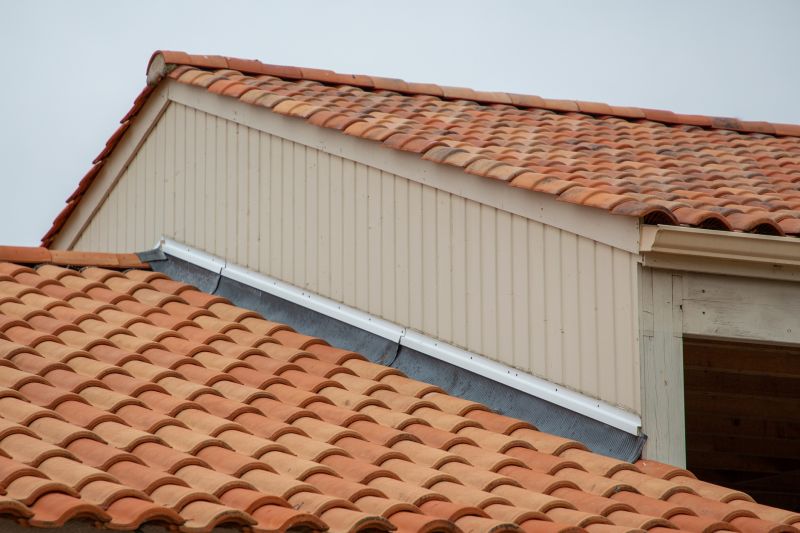
- Step flashing - needed around dormers or chimneys to prevent leaks where roof planes intersect, with service providers customizing installation for specific roof designs.
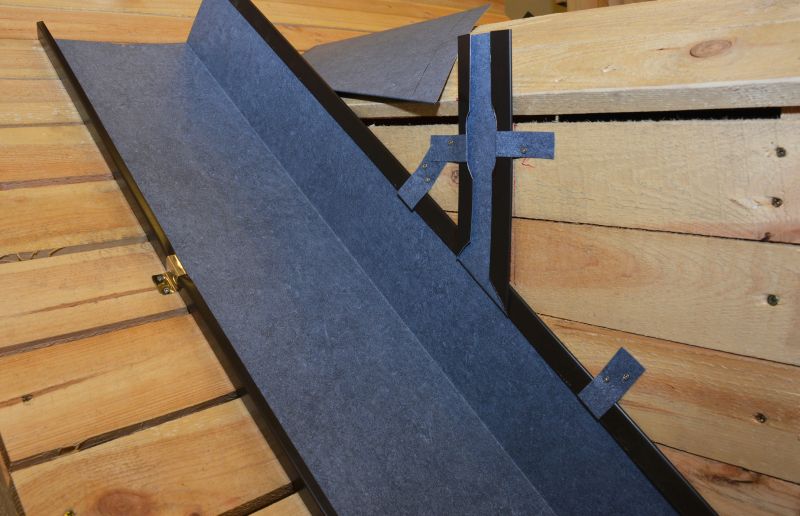
- Valley flashing - used in roof valleys to direct water away from vulnerable areas, with local pros tailoring the material and placement to match the roof type.
- Base flashing - installed at roof edges and along walls to seal vulnerable joints, with service providers ensuring proper integration with existing roofing materials.
- Cricket flashing - added behind chimneys or other protrusions to divert water, with local contractors designing and fitting these components to suit the structure’s layout.


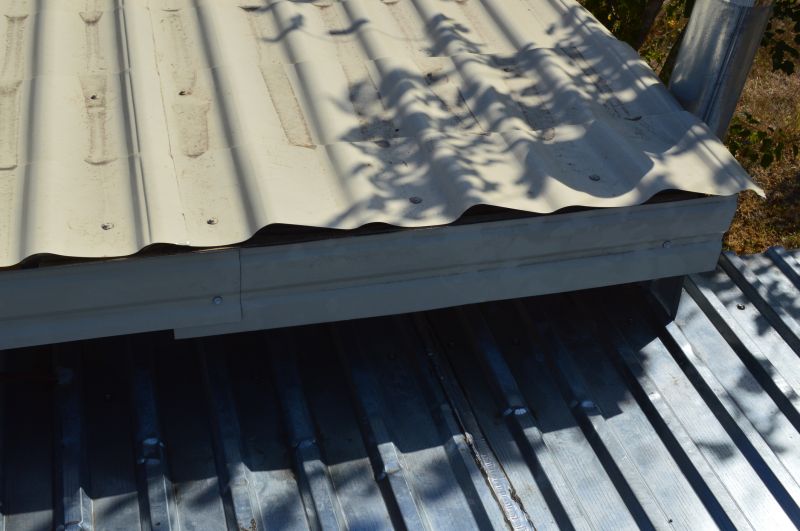
Understanding the different types of roof flashing and where each is used is a common concern for homeowners planning roof repairs or replacements. When searching this topic, many are trying to identify the best materials and configurations to prevent leaks, especially around vulnerable areas like chimneys, vents, and skylights. This knowledge is also relevant for those undertaking new construction projects or remodeling efforts, where proper flashing installation is essential for long-term durability. Typically, property owners with various types of residences-ranging from single-family homes to multi-unit buildings-seek guidance on selecting the right flashing to match their roof design and material, ensuring effective water diversion and protection against weather elements.
Roof flashing serves as a critical barrier that directs water away from roof penetrations and joints, preventing leaks and structural damage. Different types of roof flashing are designed for specific applications, such as step flashing for chimney sides, continuous or apron flashing for low-slope roofs, and valley flashing for roof intersections. Homeowners often encounter problems when flashing is improperly installed or made from incompatible materials, leading to leaks, mold, or wood rot. Understanding where each type of flashing is used helps property owners communicate more effectively with local contractors and ensures that the right solutions are implemented for their particular property and roof style.
The most common types of roof flashing include step flashing, apron flashing, valley flashing, and chimney flashing. Step flashing is typically used along vertical surfaces like chimneys or walls where the roof meets a vertical plane, providing a layered barrier that sheds water effectively. Apron flashing is a continuous piece installed at roof-to-wall intersections, especially on low-slope roofs, to prevent water from seeping under shingles or other roofing materials. Valley flashing is installed in roof valleys to channel water down the roof and away from the structure, while chimney flashing combines step and apron flashing to seal the complex junctions around chimney bases. These different types are suited to specific parts of a roof, and selecting the right ones is crucial for ensuring a watertight seal.
Properties that often require specialized flashing include homes with multiple roof planes, chimneys, skylights, or vent pipes. Flat or low-slope roofs tend to need more extensive valley and apron flashing to manage water flow, while steep-sloped roofs rely heavily on step flashing around vertical penetrations. Additionally, properties exposed to heavy rainfall or snow may need reinforced flashing systems to withstand harsh weather conditions. Local service providers who specialize in roof flashing can assess the unique features of each property, recommend suitable types of flashing, and ensure proper installation. This helps homeowners protect their investment and maintain the integrity of their roof over time.
Roof replacement projects often require detailed knowledge of flashing types to ensure proper sealing and protection, making them a key area where local contractors' expertise is valuable.
Chimney and vent installation involves precise flashing work to prevent leaks, highlighting skills similar to those used in installing various roof flashing components.
Gutter and downspout installation projects depend on accurate flashing to direct water flow away from the roof, requiring planning and tools comparable to those used in roof flashing services.
Skylight and roof window installation demands careful flashing to prevent water intrusion, aligning with the skills needed for different types of roof flashing and their applications.
Roof repair and leak fixing often involve replacing or adjusting flashing to restore waterproof integrity, utilizing similar techniques as those used in installing roof flashing types.
Attic insulation and ventilation upgrades can involve flashing adjustments to improve moisture control, requiring knowledge of flashing placement and sealing methods similar to roof flashing installation.
When comparing service providers for roof flashing installation or repair, it is important to consider their experience with similar projects. Homeowners should inquire about the types of roof flashing they have worked with and the specific applications they have handled, such as flashing around chimneys, vents, or skylights. An experienced contractor will have a proven track record of successfully completing projects involving different types of roof flashing and understanding where each is most effective. This familiarity can help ensure that the chosen flashing materials are appropriate for the specific areas of the roof, contributing to a durable and effective seal against water intrusion.
Clear written expectations are vital when evaluating local contractors for roof flashing services. Homeowners should seek detailed descriptions of the scope of work, including the types of flashing to be used and the areas of the roof where they will be installed. Well-defined expectations help prevent misunderstandings and ensure that both parties are aligned on the project goals. A reputable service provider will be transparent about the materials they recommend, the installation process, and any necessary preparations or follow-up work, making it easier for homeowners to compare options objectively.
Reputable references and good communication are key factors in selecting the right local contractor for roof flashing needs. Asking for references from previous clients who had similar work performed can provide insight into the contractor’s reliability and quality of workmanship. Additionally, contractors who communicate clearly and promptly about project details, materials, and timelines tend to be more dependable and easier to work with. These qualities help homeowners feel confident that the chosen service provider will deliver the desired results and handle the project professionally, especially when it comes to understanding the nuances of different types of roof flashing and their appropriate applications.
Property owners often search for types of roof flashing and where each is used when they are planning practical projects around their homes and businesses. Local pros provide Roof Flashing services for everyday jobs and straightforward project options.

Property owners in the area often look up information about different types of roof flashing and where each is used to better understand how to protect their homes from water intrusion. Common projects might include installing new flashing around chimneys, vents, or skylights, or replacing aging flashing that has started to fail. Knowing the various options helps property owners communicate effectively with local contractors and ensures the right materials are chosen for specific parts of the roof, ultimately enhancing durability and preventing leaks.
When considering roof flashing services, many people turn to local contractors who specialize in residential roofing details. These service providers can assess the unique needs of a home, recommend appropriate types of flashing-such as step flashing, continuous flashing, or kickout flashing-and perform installations or repairs with precision. Connecting with experienced local professionals ensures that the correct flashing is used in the right locations, providing long-lasting protection against weather elements and maintaining the integrity of the roof system.
What are the common types of roof flashing? Common types include step flashing, continuous (or apron) flashing, and valley flashing, each designed for specific roof junctions and features.
Where is step flashing typically used? Step flashing is used around chimneys, walls, and where roof sections meet vertical surfaces to direct water away from these joints.
What is continuous flashing and where should it be installed? Continuous flashing is a long, single piece of metal used along roof edges, eaves, and hips to provide a seamless water barrier.
When is valley flashing necessary? Valley flashing is installed in roof valleys where two roof planes intersect, helping to prevent leaks in these vulnerable areas.
How do I find local contractors experienced in installing roof flashing? Local contractors specializing in roofing services can assess your roof and properly install the appropriate types of roof flashing for your needs.
Types of roof flashing and where each is used - Understanding different types of roof flashing helps property owners choose the right materials for specific areas like chimneys, vents, or valleys with help from local contractors.
Metal roof flashing services - Metal flashing is ideal for high-traffic roof sections and can be installed by local pros to ensure durability around skylights and roof edges.
Step and continuous flashing applications - These common types are used in various roof joints and transitions, with local service providers able to customize installation for weather resistance.
Specialized flashing for roof penetrations - Flashing designed for vents, pipes, and chimneys can prevent leaks, and local contractors can handle precise installation in challenging areas.
If you are thinking about types of roof flashing and where each is used for a property, this guide is meant to help you understand this topic, the typical project types, and how different options might fit your plans.
When you are ready, you can use the quote form on this page to share a few details about your project. From there, local pros can review the basics and follow up with options that match what you have in mind.