Signs Your Roof Needs New Roof Capping
If you notice signs your roof needs new roof capping, local contractors can assess and install the necessary coverings to protect and secure your roof.
Homeowners in the area who notice certain signs on their roof may want to consider the importance of new roof capping. Issues like cracked, missing, or damaged capping can lead to leaks, water intrusion, and further structural damage if left unaddressed. Recognizing these warning signs early can help property owners protect their investments and maintain the integrity of their homes. Local contractors who specialize in roof capping services are equipped to assess these problems accurately and recommend effective solutions, ensuring that the roof remains secure and weather-resistant.
Exploring signs that your roof needs new roof capping is a practical step for property owners aiming to prevent costly repairs down the line. Whether it's visible wear and tear, loose materials, or signs of water damage, these indicators point to the need for professional attention. Connecting with experienced service providers in the area can provide peace of mind, knowing that qualified experts can handle the job efficiently. Keep reading to learn more about how to identify these signs and what to expect from trusted local roof capping specialists.
- Roof capping replacement - needed when signs your roof needs new roof capping include cracked or damaged capping that exposes underlying roofing materials, with local contractors inspecting and replacing it to restore protection.
- Roof capping repair - appropriate when signs your roof needs new roof capping show loose or deteriorated capping that allows water infiltration, with service providers sealing or replacing affected areas.
- Roof capping installation - required if signs your roof needs new roof capping involve missing or outdated capping that compromises roof integrity, with local pros installing new capping to ensure proper coverage.
- Roof capping maintenance - recommended when signs your roof needs new roof capping include corrosion or wear, with local contractors performing upkeep to extend the lifespan of existing capping.
- Roof capping inspection - essential when signs your roof needs new roof capping are visible damage or aging, with service providers assessing and advising on necessary capping work.
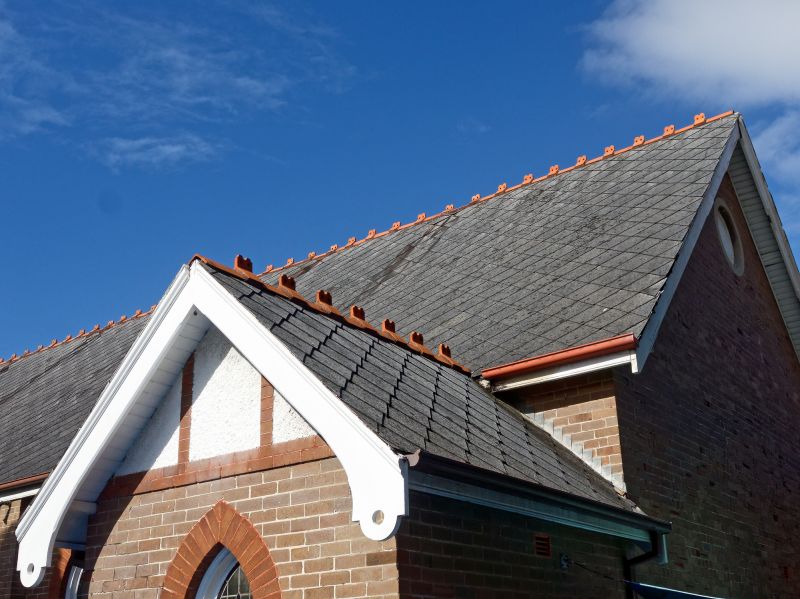
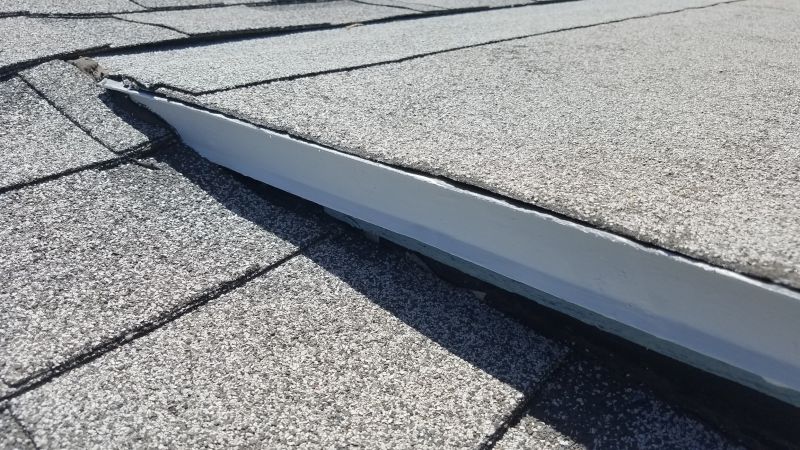
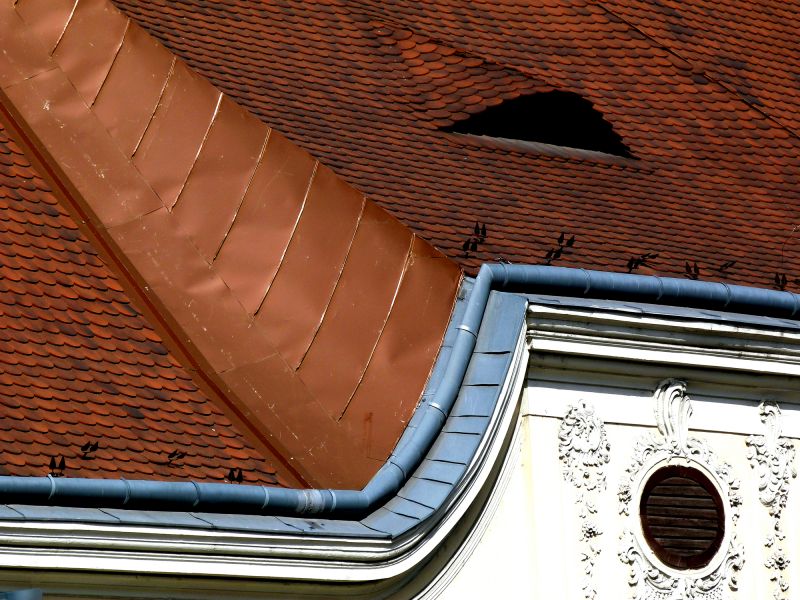
When homeowners search for signs their roof needs new roof capping, they are usually trying to identify early indicators of damage or deterioration that could lead to more significant issues if left unaddressed. Roof capping, which involves replacing or repairing the topmost layer of roofing material, is often associated with maintaining the integrity of the roof’s structure and preventing leaks. People may be concerned about visible damage, aging materials, or recent weather events that could compromise the roof’s ability to protect the property. Recognizing these signs early can help homeowners plan for repairs or replacements before more costly problems develop.
This topic relates closely to common roofing issues and renovation plans. Signs your roof needs new roof capping often include visible damage such as cracked, loose, or missing tiles or shingles, which can expose underlying layers to the elements. Other problems include water stains on ceilings or walls, persistent leaks, or an increase in debris like granules from shingles in gutters. These issues typically signal that the existing capping is no longer providing adequate protection. Homeowners may also consider roof capping replacement when upgrading the appearance of their property or preparing for a sale, making it an important part of overall roof maintenance and improvement projects.
The types of properties that frequently come up in discussions about roof capping include residential homes, especially those with tiled or shingled roofs, as well as small commercial buildings. Older homes are often more prone to needing capping repairs or replacements due to aging materials and exposure to weather over time. Additionally, properties in regions with frequent storms, heavy rainfall, or temperature fluctuations tend to experience more rapid deterioration of roof capping. Regardless of property type, ensuring the roof’s top layer is intact and functional is essential for protecting the entire structure and its contents.
Local service providers who specialize in roof capping are experienced in assessing the condition of existing roofing materials and recommending the appropriate repairs or replacements. They play a vital role in helping homeowners understand when a roof capping upgrade is necessary and ensuring the work is done correctly. These contractors can handle a variety of roofing materials and styles, providing tailored solutions based on the property’s specific needs. Connecting with trusted local pros allows homeowners to get professional guidance on maintaining or improving their roof’s durability and appearance, ultimately helping to preserve the value and safety of the property.
Roof inspection and assessment - professionals who evaluate roof condition can identify signs that indicate the need for new roof capping, such as damaged or deteriorated materials.
Roof repair services - contractors experienced in fixing leaks and damaged shingles often handle roof capping replacements as part of comprehensive roof restoration projects.
Chimney and vent flashing installation - these projects require precise planning and tools similar to those used in installing or replacing roof capping to ensure proper sealing and protection.
Gutter and drainage system installation - installing or repairing gutters involves similar planning and safety considerations as roof capping, especially when working at height.
Roof ventilation upgrades - improving attic airflow often involves working around existing roof structures, requiring skills applicable to installing new roof capping.
Waterproofing and sealing projects - applying waterproof membranes or sealants on roofs shares techniques with ensuring roof capping provides effective protection against leaks.
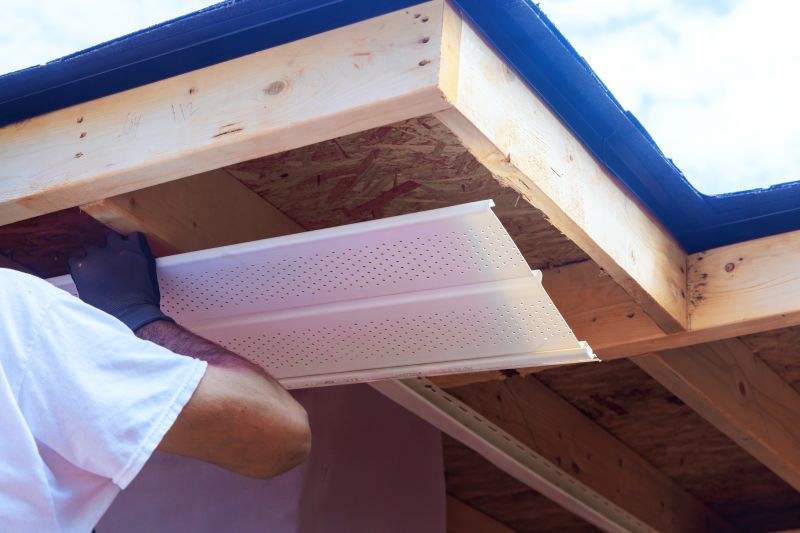
When evaluating service providers for roof capping, it is important to consider their experience with similar projects. Homeowners should look for local contractors who have a proven track record of handling roof capping or related roofing projects in their area. An experienced contractor is more likely to understand the specific challenges that can arise with different roof types and materials, ensuring that the work is performed correctly and efficiently. Asking about past projects or seeking out references can provide insight into a contractor’s familiarity with signs your roof needs new roof capping and their ability to address those issues effectively.
Clear, written expectations are essential when comparing local pros for roof capping services. Homeowners should seek service providers who can provide detailed estimates and scope of work in writing, outlining what is included and what might be additional. This transparency helps prevent misunderstandings and ensures that everyone is aligned on the project’s goals. Understanding how a contractor plans to approach signs your roof needs new roof capping, including the materials and methods they intend to use, can also help in assessing their professionalism and attention to detail.
Reputable references and good communication are key factors when choosing a service provider. Homeowners are encouraged to ask for references from previous clients who had similar work done, especially related to roof capping or addressing signs your roof needs new roof capping. Listening to feedback about a contractor’s communication style, responsiveness, and ability to answer questions can reveal their level of professionalism and commitment to customer satisfaction. A contractor who maintains clear and open communication is more likely to keep homeowners informed throughout the process and ensure that expectations are met from start to finish.
Property owners often search for signs your roof needs new roof capping when they are planning practical projects around their homes and businesses. Local pros provide Roof Capping services for everyday jobs and straightforward project options.
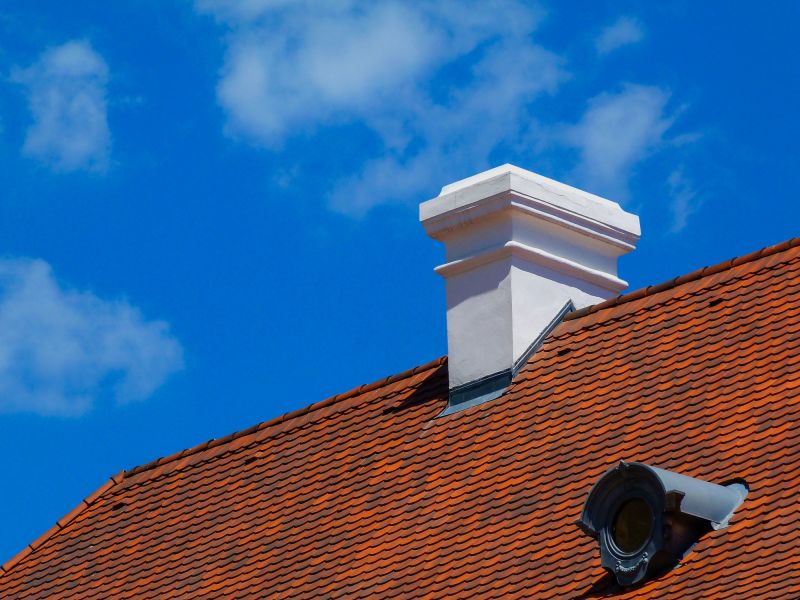
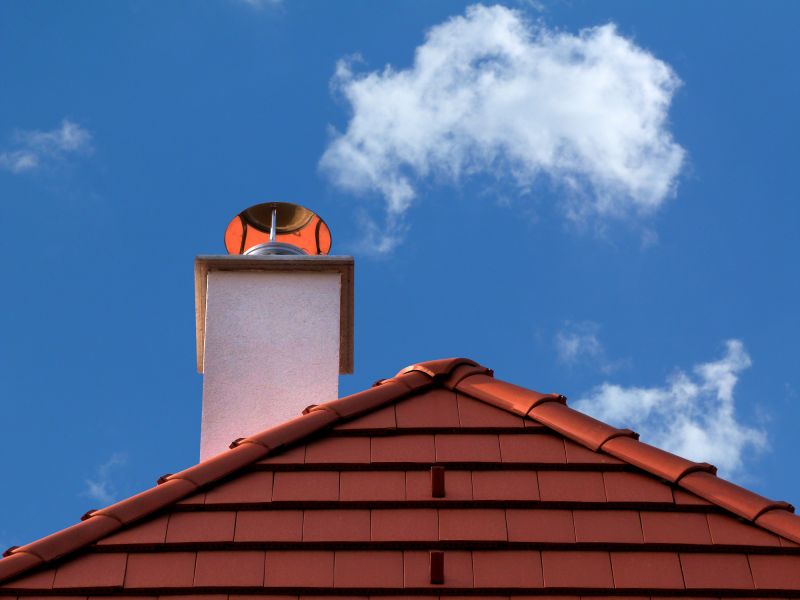
Property owners in the area often start noticing signs their roof needs new roof capping when they observe visible damage or wear on their roof’s surface. Cracks, curling, or missing sections of the existing capping can leave the underlying roofing vulnerable to the elements, leading to leaks or further deterioration. Additionally, if the capping appears discolored or shows signs of rust and corrosion, it may indicate that the protective layer has compromised, prompting the need for professional assessment and potential replacement by local contractors.
Other common indicators include increased drafts or drafts that seem to come from the roof area, which can suggest gaps or breaches in the capping. Owners might also notice water stains or moisture inside the attic after heavy rain, hinting that the current capping isn’t providing adequate protection. When these issues arise, reaching out to experienced service providers can help ensure the roof is properly capped, maintaining its integrity and safeguarding the property from future damage.
What are common visual signs that indicate a roof may need new roof capping? Visible damage such as cracked, missing, or curling capping shingles can suggest the need for replacement. Local contractors can assess the condition and recommend necessary repairs or upgrades.
How can I tell if my roof capping is compromised by weather damage? Signs like exposed or loose capping after storms or heavy winds indicate potential damage. Service providers can inspect and secure or replace damaged capping to protect the roof.
Are water leaks or stains on ceilings related to roof capping issues? Yes, water stains or leaks may result from deteriorated or damaged roof capping allowing moisture to penetrate. Local pros can evaluate whether capping replacement is needed to prevent further damage.
What role does age play in determining if roof capping needs replacement? Over time, capping materials can weaken or degrade, making replacement necessary. Experienced contractors can determine if aging capping requires upgrading to maintain roof integrity.
Can moss or algae growth on the roof indicate capping problems? Yes, excessive moss or algae can signal moisture retention due to compromised capping. Service providers can clean and replace capping to restore proper protection.
Visible damage or deterioration - noticing cracked, warped, or rusted roof capping can indicate the need for replacement, prompting a consultation with local contractors.
Leaks or water stains - ongoing leaks or dark spots on ceilings may suggest compromised roof capping that requires professional repair or replacement.
Age of the roof - when roof capping reaches its expected lifespan, it’s advisable to have a professional evaluate whether new capping is necessary.
Wind or storm damage - after severe weather, inspecting for loose or missing roof capping can help determine if repairs should be handled by local service providers.
If you are thinking about signs your roof needs new roof capping for a property, this guide is meant to help you understand this topic, the typical project types, and how different options might fit your plans.
When you are ready, you can use the quote form on this page to share a few details about your project. From there, local pros can review the basics and follow up with options that match what you have in mind.